
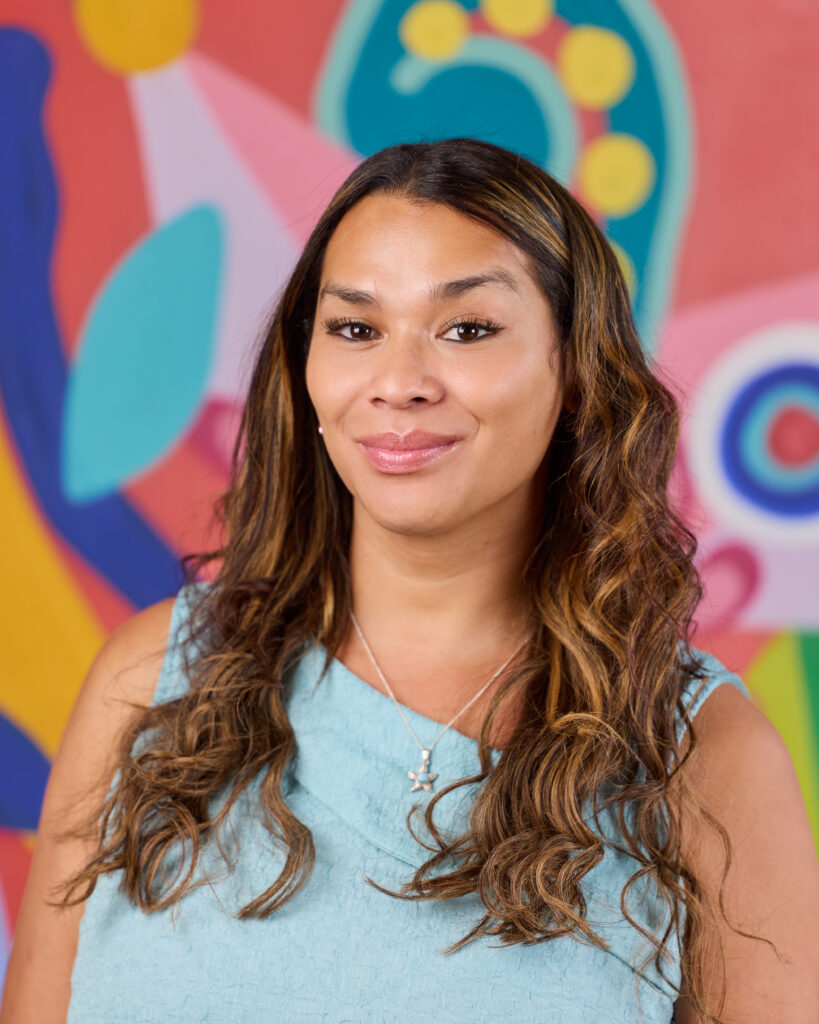
Shantel Alix Fernández is a dynamic leader, strategist, and advocate committed to building equitable, inclusive, and thriving communities. As the Director of Community Building at North Shore Community Development Coalition (NSCDC), she leads initiatives focused on resident engagement, economic empowerment, and social justice. With a strong commitment to diversity, equity, and inclusion (DEI), her work centers on amplifying historically marginalized voices and ensuring community-driven solutions shape local decision-making.
With over 7 years of experience in nonprofit leadership, Shantel has developed programs that promote affordable housing stability, financial empowerment, and small business development. As a certified financial coach, she provides essential resources in budgeting, homeownership counseling, and economic mobility, equipping individuals and small businesses with the tools to achieve financial stability.
Beyond her role at NSCDC, Shantel is an active civic leader and serves on multiple boards and advisory committees. In addition to being a board member of Project Out, a member of Salem State University’s Civic Engagement Advisory Board, and an advisor for the Trans Leadership Academy at MTPC, she is also a member of the Equity Fund Advisory Committee for the Boston Foundation. Additionally, she contributes to the Prep and Shine Study with Fenway Health and Brown University and was recently appointed to the City of Salem’s Race Equity Commission, where she works to advance policies that address racial disparities and increase representation in local government.
Her dedication to social impact has earned her numerous accolades, including being named a 2022 Rising Star by MACDC, receiving the 2022 Latino Excellence Award, and the 2025 Trans Excellence Award from the Massachusetts Transgender Political Coalition. She was also honored by the City of Salem with the 2025 Salem Hero Award for her meaningful contributions to the community. A visionary and advocate at heart, Shantel continues to drive change by bridging gaps in resources, empowering emerging leaders, and championing equity in housing, economic development, and civic engagement.